CRA and IRS Data Sharing: What Information is Being Exchanged?
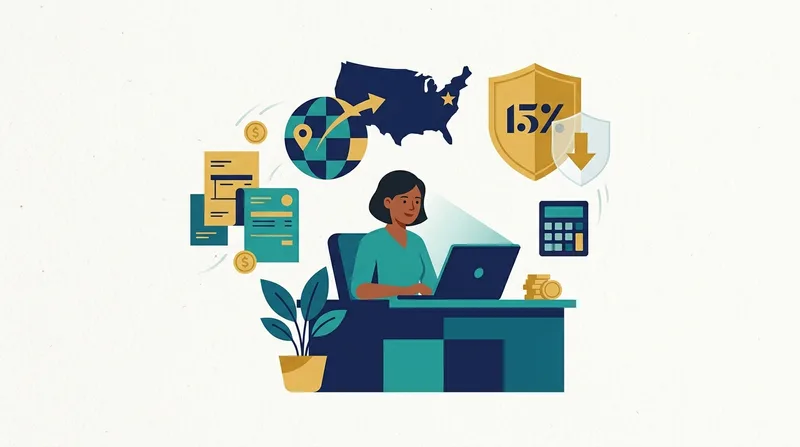
The CRA and IRS have a long-standing agreement to share information to combat tax evasion. This agreement allows them to exchange various types of financial data, including bank account information, investment income, and, critically, information reported on Form 1099-K. The exact scope of information exchanged is defined by the Canada-U.S. Tax Treaty. The treaty aims to prevent double taxation while ensuring that taxpayers fulfill their obligations in both countries.
Beyond the 1099-K data, the CRA and IRS also exchange information under the Foreign Account Tax Compliance Act (FATCA). FATCA requires foreign financial institutions to report information about U.S. account holders to the IRS. Similarly, the Common Reporting Standard (CRS) is a global standard for automatic exchange of financial account information, which both Canada and the U.S. participate in. While the U.S. has not fully implemented CRS, the existing FATCA agreement enables the exchange of data on Canadian residents holding accounts in U.S. financial institutions. FinCEN data indicates a growing trend in cross-border financial activity, increasing the importance of these data-sharing agreements. Source: FinCEN.gov
The information exchanged includes not only the total amount of payments received but also details about the payer and payee, the date of the transaction, and the type of transaction. This level of detail allows the CRA and IRS to identify potential discrepancies and investigate cases of suspected tax evasion. For instance, if a Canadian resident receives payments from a U.S. company but fails to report this income on their Canadian tax return, the CRA can use the information received from the IRS to identify this discrepancy and initiate an audit.
According to a report by the Treasury Department, international tax compliance is a top priority for both the U.S. and Canada. The enhanced data sharing agreements are a key tool in achieving this goal. The report highlights that cross-border transactions are becoming increasingly complex, making it more challenging for tax authorities to detect and prevent tax evasion. The automatic exchange of information helps to level the playing field and ensures that everyone pays their fair share of taxes.
How the Data Link Impacts Self-Employed Individuals in Canada
For self-employed individuals in Canada, the increased data sharing between the CRA and IRS means that any income earned through U.S.-based platforms or from U.S. clients is now more easily trackable. This includes income from freelancing platforms like Upwork, Etsy, or Amazon, as well as direct payments received through platforms like PayPal or Stripe. If you’re a Canadian resident earning income from U.S. sources, it’s crucial to understand your reporting obligations in both countries. You are required to report all worldwide income on your Canadian tax return. This includes income earned in the U.S., even if it has already been taxed there.
To avoid double taxation, Canada has a tax treaty with the U.S. that provides credits for taxes paid in the U.S. This means that you can claim a foreign tax credit on your Canadian tax return for any U.S. income taxes you've paid. To claim this credit, you'll need to file Form T2209, Federal Foreign Tax Credits Individuals. You'll also need to provide documentation to support the amount of taxes you paid in the U.S., such as a copy of your U.S. tax return or a statement from the payer. Per CRA guidelines, it's crucial to keep meticulous records of all income and expenses related to your self-employment activities. This includes invoices, receipts, bank statements, and any other documentation that can support your claims on your tax return. Source: Canada.ca
Pro Tip: Many self-employed individuals overlook eligible business expenses, leading to overpayment of taxes. Make sure you're claiming all legitimate expenses, such as home office expenses, vehicle expenses, and professional development costs. Consult with a tax professional to ensure you're maximizing your deductions.
The CRA has increasingly sophisticated methods for detecting unreported income. One technique is to compare your income to industry benchmarks. If your reported income is significantly lower than the average for your profession, it may raise a red flag and trigger an audit. The CRA also uses data analytics to identify patterns and trends that may indicate tax evasion. For instance, if a large number of self-employed individuals in a particular industry are reporting similar deductions, the CRA may investigate to ensure that these deductions are legitimate.
Navigating U.S. Tax Obligations as a Canadian Self-Employed Individual
If you're a Canadian self-employed individual earning income in the U.S., you may also have U.S. tax obligations. If you're considered a non-resident alien for U.S. tax purposes, you're generally only taxed on income that is effectively connected to a U.S. trade or business. This means that if you're providing services to U.S. clients from Canada, you may not be subject to U.S. income tax. However, if you have a physical presence in the U.S., such as an office or employees, you may be considered to be engaged in a U.S. trade or business and subject to U.S. income tax.
Even if you're not required to file a U.S. income tax return, you may still be required to file Form 5472, Information Return of a 25% Foreign-Owned U.S. Corporation or a Foreign Corporation Engaged in a U.S. Trade or Business. This form is used to report transactions between a foreign corporation and its U.S. related parties. Failure to file this form can result in significant penalties. In addition, if you have a U.S. bank account with a balance exceeding $10,000 at any time during the year, you may be required to file a Report of Foreign Bank and Financial Accounts (FBAR) with FinCEN. According to the IRS, the penalty for willfully failing to file an FBAR can be significant. Source: IRS.gov
For Canadian residents working in the US, understanding the substantial presence test is crucial. The substantial presence test determines if you are considered a U.S. resident for tax purposes based on the number of days you are physically present in the U.S. If you meet this test, your worldwide income may be subject to U.S. taxation. It is essential to consult with a cross-border tax professional to determine your U.S. tax residency status and obligations. Navigating the complexities of cross-border tax can be daunting, but with proper planning and guidance, you can minimize your tax burden and avoid potential penalties. Zenith Financial Advisors is here to provide the expertise you need to ensure compliance and optimize your tax situation.
Strategies for Staying Compliant and Avoiding Audits
The best way to avoid a CRA or IRS audit is to ensure that you're accurately reporting all of your income and claiming all eligible deductions. Here are some strategies for staying compliant:
- Keep Accurate Records: Maintain detailed records of all income and expenses, including invoices, receipts, bank statements, and contracts.
- Understand Your Tax Obligations: Familiarize yourself with the tax laws in both Canada and the U.S., and understand your reporting obligations in each country.
- Claim All Eligible Deductions: Take advantage of all deductions and credits that you're entitled to, such as home office expenses, vehicle expenses, and professional development costs.
- File on Time: Ensure that you file your tax returns on time to avoid penalties. The deadline for filing individual tax returns in Canada is April 30th, while the deadline for filing U.S. individual income tax returns is April 15th.
- Seek Professional Advice: Consult with a cross-border tax professional to ensure that you're complying with all applicable tax laws and regulations.
In addition to these strategies, it's also important to be proactive in managing your tax affairs. Consider using accounting software to track your income and expenses, and set aside funds throughout the year to cover your tax liabilities. By taking these steps, you can minimize your risk of an audit and ensure that you're paying the correct amount of tax.
The CRA and IRS are increasingly focused on detecting and preventing tax evasion. By understanding your tax obligations and taking steps to comply with the law, you can protect yourself from potential penalties and ensure that you're paying your fair share of taxes. Remember to consult with a qualified tax professional to get personalized advice based on your specific circumstances.
How Zenith Financial Advisors Can Help
Navigating the complexities of cross-border tax compliance can be challenging, especially for self-employed individuals. That's where Zenith Financial Advisors comes in. Our team of experienced tax professionals specializes in providing cross-border tax advice to Canadians and Americans. We can help you understand your tax obligations in both countries, claim all eligible deductions, and avoid potential penalties.
We offer a range of services tailored to the needs of self-employed individuals, including:
- Tax Planning: We can help you develop a tax-efficient plan that minimizes your tax liabilities in both Canada and the U.S.
- Tax Preparation: We can prepare your tax returns for both countries, ensuring that you're accurately reporting all of your income and claiming all eligible deductions.
- Audit Representation: If you're facing a CRA or IRS audit, we can represent you and help you navigate the process.
- Cross-Border Tax Advice: We can provide expert advice on all aspects of cross-border tax compliance, including FATCA, CRS, and the Canada-U.S. Tax Treaty.
With the looming 2026 changes to 1099-K reporting, now is the time to get your cross-border tax affairs in order. Contact Zenith Financial Advisors today to schedule a free consultation and learn how we can help you stay compliant and avoid potential penalties. Our team is dedicated to providing personalized, expert advice to help you navigate the complexities of cross-border tax.
Common Mistakes to Avoid
Here are some common mistakes that self-employed individuals make when dealing with cross-border tax issues:
- Failing to Report All Income: This is one of the most common mistakes and can result in significant penalties. Make sure you're reporting all income earned in both Canada and the U.S.
- Not Claiming All Eligible Deductions: Many self-employed individuals overlook eligible deductions, such as home office expenses, vehicle expenses, and professional development costs.
- Ignoring U.S. Tax Obligations: If you're earning income in the U.S., you may have U.S. tax obligations, even if you're a Canadian resident.
- Missing Filing Deadlines: Filing your tax returns late can result in penalties and interest charges. Be sure to file your tax returns on time in both Canada and the U.S.
Avoiding these common mistakes can save you time, money, and stress. By understanding your tax obligations and taking steps to comply with the law, you can protect yourself from potential penalties and ensure that you're paying the correct amount of tax.
FAQ Section
What is the 1099-K form, and why is it important?
The 1099-K form is used to report payments received through third-party payment networks, such as PayPal and Stripe. It's important because it helps the IRS track income earned through these platforms and ensures that taxpayers are accurately reporting their income.
How will the CRA-IRS data sharing agreement affect me?
The data sharing agreement allows the CRA and IRS to exchange financial information, including data reported on Form 1099-K. This means that if you're a Canadian resident earning income in the U.S., the CRA will be able to see this income and verify that you're reporting it on your Canadian tax return.
What should I do if I receive a 1099-K form?
If you receive a 1099-K form, you should use it to help you accurately report your income on your tax return. Make sure you're reporting all income shown on the form, and claim any eligible deductions related to that income.
How can Zenith Financial Advisors help me with cross-border tax compliance?
Zenith Financial Advisors offers a range of services tailored to the needs of self-employed individuals, including tax planning, tax preparation, audit representation, and cross-border tax advice. We can help you understand your tax obligations in both Canada and the U.S., claim all eligible deductions, and avoid potential penalties.
Need Help with Cross-Border Taxes?
Schedule your free consultation today and get expert advice from our experienced tax professionals.
Schedule Your Free Consultation
Or call us at: +1 (409) 916-8209